Get Our Newsletter!
Updates, offers, and more straight to your inbox!

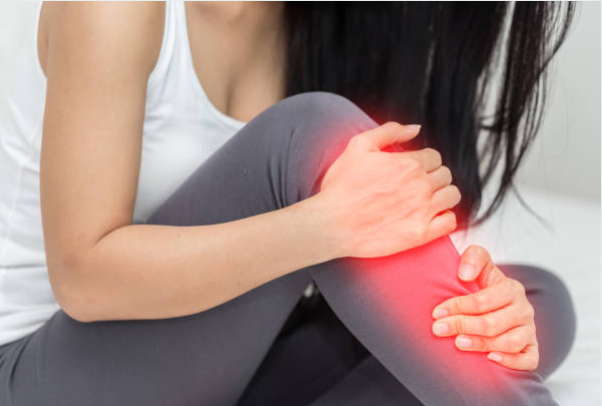
Medial tibial stress syndrome also known as Shin Splints, can hit anyone, whether you’re at the desk or on the track. It is a common overuse injury of the lower extremities affecting a large percentage of the population causing significant discomfort and impacting daily activities. The fascia along the tibia’s medial border might be released, allowing easy access to the tibia and adjacent soft tissues while relieving the strain on the periosteum.
1. Prolonged periods of sitting or standing in one position
2. Poor ergonomics or posture
3. Inadequate Footwear
1. Overuse injuries to the leg’s muscle and bone tissue
2. Frequency modifications, such as increasing the number of days you work out each week.
3. Running on hard or uneven surfaces
1. Ensure your workspace is ergonomically friendly. Use a chair that supports your lower back and keep your feet flat on the floor.
2. Stretching of the calf muscles and ankle-foot rotation can keep the muscle flexible.
3. Breaks in between the office hours at an interval of 30-60 minutes, can prevent stiffness and improve circulation.
1. Focus on adding on proper warm up and Cool down activities in the training programme.
2. Good support footwear and gradual progression in the level of activities can give the trainee a huge advantage.
3. Incorporate low level training activities like Swimming, Cycling etc.
RICE (Rest, Icing, Compression and Elevation), Flexibility exercises, supportive shoes, Orthotics (Shoe inserts) are the best possible choice of treatments.
At the same time, the patient can be treated with non-surgical approach (NSAIDS & Physiotherapy) and Surgical approach (only if it is extremely severe).
To build a career in Physiotherapy contact school of physiotherapy, Asian institute of public health university Bhubaneswar. (https://aiph.ac.in/)





A physiotherapist