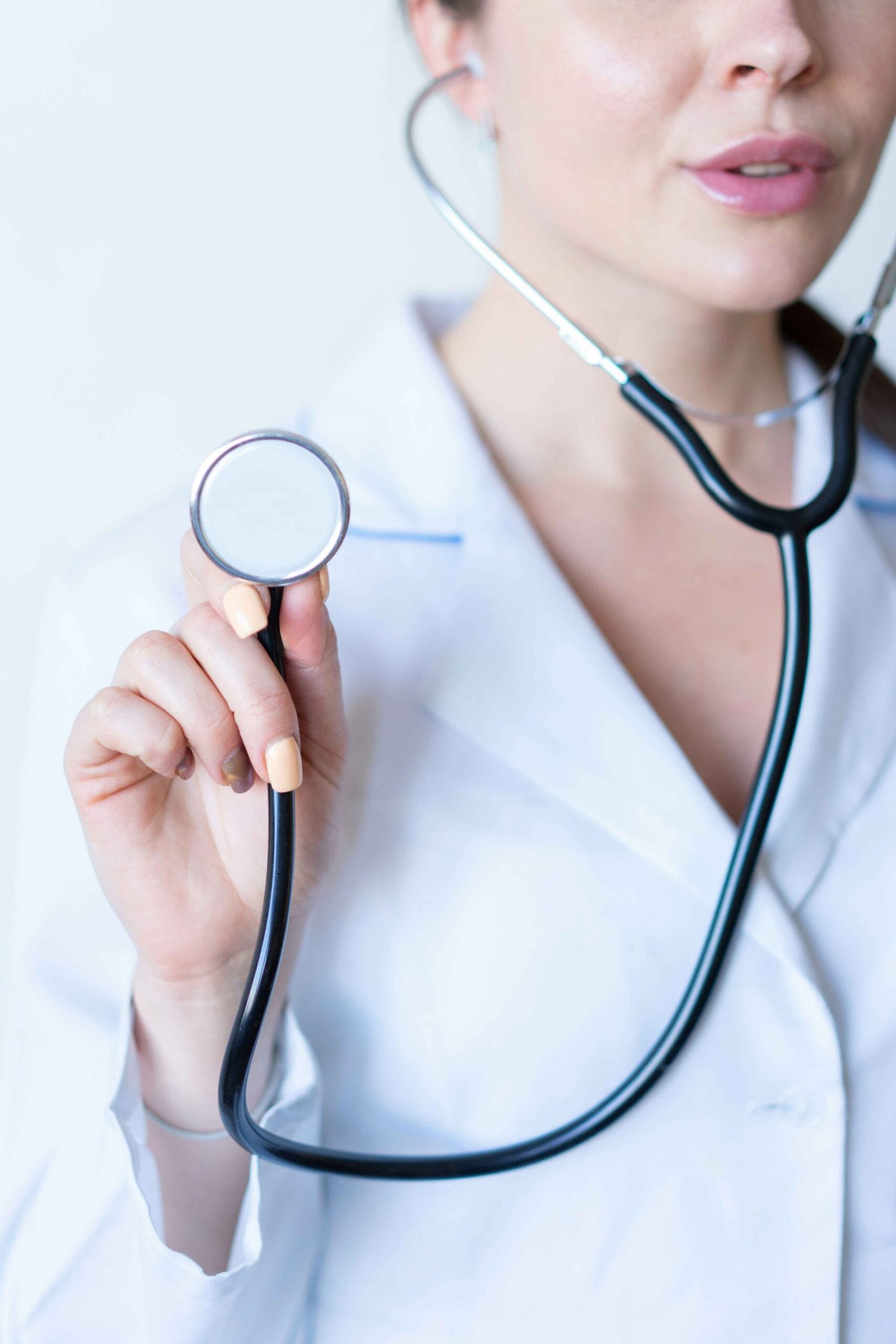
Nurses are making a profound impact worldwide, skillfully managing the complexities and challenges of their roles. They have the potential to shape the future of healthcare by assuming positions as executive officers, nursing directors, and policymakers. Enhancing the nursing profession is crucial for meeting the Sustainable Development Goals in the health sector. It encompasses the skills, responsibilities, education, and licensing requirements needed for nurses to become successful practitioners
A nurse with strong critical thinking skills possesses one of the most essential qualities of a professional, especially in high-stress situations.
Many patients come into a hospital or healthcare setting feeling disoriented, confused, and unable to advocate for their own safety. A nurse who empowers patients through education and active engagement can significantly improve the quality of care they receive.
During a single shift, a nurse may lift an average of 1.8 tons—equivalent to the weight of a hippo—by lifting and adjusting patients. Additionally, studies show that nurses walk an average of four to five miles per shift. Over a 12-hour shift, nurses exhibit a rare blend of physical and emotional endurance that few other professions demand. Having ample stamina and resilience is crucial for being an exceptional nurse.
A good sense of humor is a key trait of a nurse leader, helping to remind patients and their families that nurses are people too. This quality fosters trust and encourages openness, making it easier for patients and their families to share feedback and concerns.
A good nurse is someone who embodies empathy, genuinely striving to understand and share the feelings of each patient. When patients are lucky enough to encounter this quality in a nurse, it transforms their care experience, making their healing journey much more comforting and effective.
The ability to find quick and clever solutions to overcome challenges is invaluable. Throughout their career, a nurse will discover that small adjustments and well-honed strategies can significantly enhance the quality of care they provide to patients.
The quality of “attention to detail” is crucial in uncovering the root cause of a patient’s pain. Exceptional assessment skills are what set outstanding nurses apart from the rest
This is an essential skill, especially when it comes to patient care. You’ll encounter patients who can provide valuable insights if asked the right questions. Effective communication isn’t just crucial with patients; it’s equally important in collaborating with the entire healthcare team.
It goes beyond just placing an IV or administering medication. It’s about treating patients with the same care and respect you would want for yourself, which requires deep empathy. It’s not just about addressing an illness or injury; it’s about healing the whole person—mind, body, and spirit.
A good nurse understands the gravity of their responsibility, knowing that unlike many other fields, they are entrusted with people’s well-being and, crucially, their lives. Traits such as organization, accuracy, and attention to detail are essential for ensuring success in this demanding role.
To trust your intuition, you need to have confidence in yourself and your capacity to make well-informed decisions.
A nurse’s eagerness to continuously develop their skills and apply new knowledge is one of the most important traits of an excellent nurse.
Managing multiple patients, navigating stressful care environments, and handling competing priorities during a 12-hour shift is a significant challenge. Effective time management is a crucial trait for nurses, as is the ability to focus on the most critical issues first, rather than simply addressing the most demanding patient or family.
Leadership ability is an increasingly valuable quality in nursing and is not confined to those in formal leadership positions. Demonstrating leadership skills at any role or level reflects a nurse’s capacity to be a role model of integrity and effectiveness for others.
Communication styles, customs, and expectations for medical treatment can differ based on patients’ cultural backgrounds. A skilled nurse takes these factors into account when providing care, aiming to understand patients’ needs and deliver culturally sensitive care.
How to prepare for a nursing career: Given the ongoing global shortage of new nurses, hospitals and health systems can attract and support aspiring nurses by offering a variety of career entry points and opportunities.
As a leader in public health, AIPHU empowers nursing leaders to use data to make informed hiring and placement decisions, enhancing long-term success, satisfaction, and retention of nurses. By utilizing assessment data, nursing leaders can pinpoint developmental areas and skill gaps, continuously evaluate competencies, and nurture future leaders.
Additionally, AIPHU provides extensive professional development opportunities for nursing leaders, including management and leadership education through various healthcare management courses offered on campus.
For admission please contact (https://aiph.ac.in/).



.png)
A Clinician and a management expert



.png)